You Were Paid Yesterday. What Happened?
Why does your salary disappear so quickly? Explore the everyday spending habits, financial pressures, and small expenses that can turn ₦150,000 into a mid-month money crisis.
Loading...

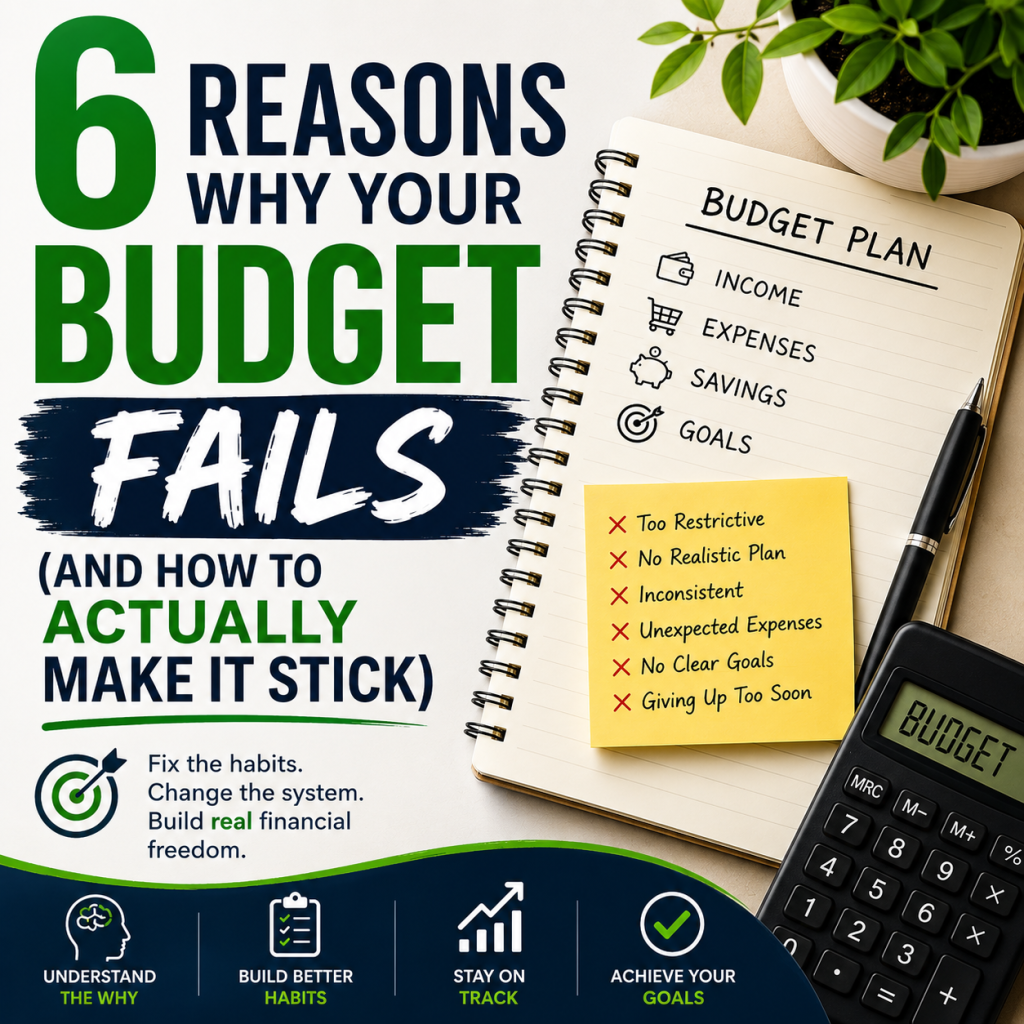
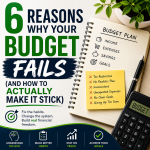
Discover 6 common reasons why budgets fail and learn practical, realistic strategies to create a budget that actually works, lasts, and helps you reach your financial goals.
Table of contents [Show]
Every time I hear someone say, “Just make a budget,” I wonder if they’ve ever tried sticking to one.
Planning the budget itself is usually the easy part. But you see that part where life decides to plan you on a random Wednesday, and just like that, your budget and reality decide to have their first argument. I promise you, nobody adores that part.
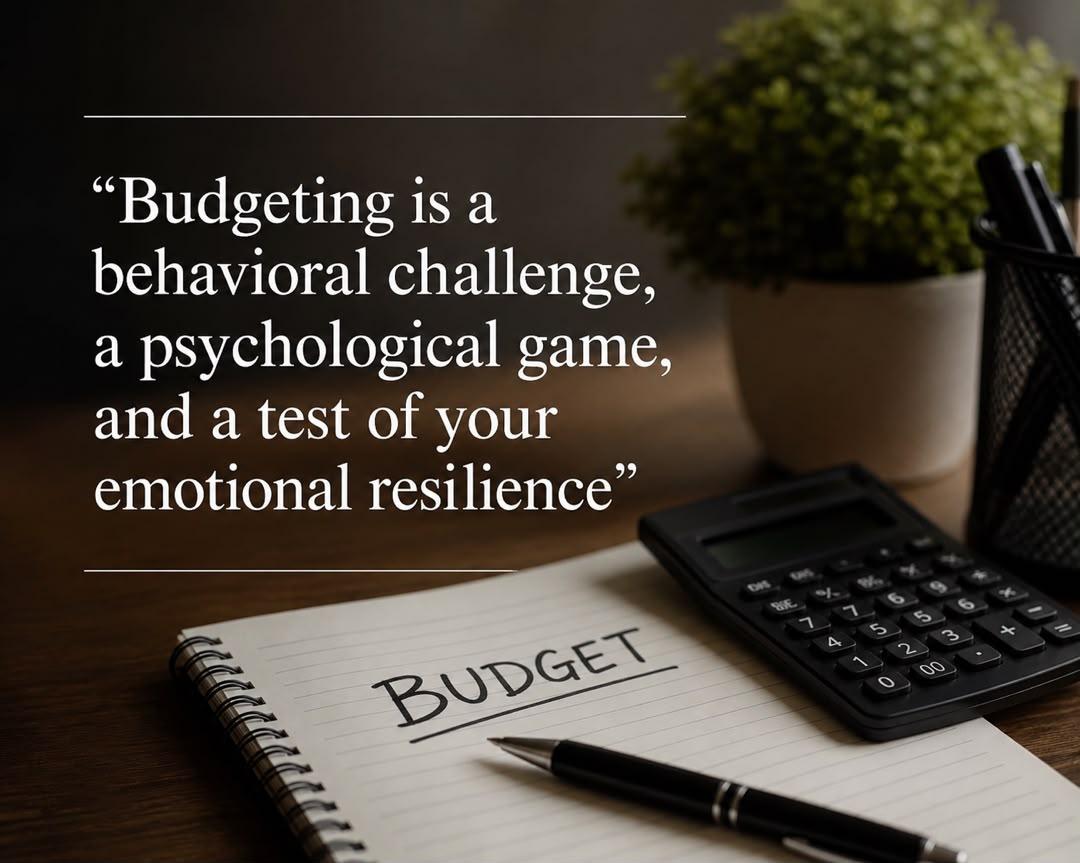
Research consistently shows that majority of people who attempt to create and stick to a budget abandon the effort within the first few months. Some studies suggest the failure rate is as high as 60 to 80 percent. The truth is, budgeting isn't really a math problem. If it were just about adding and subtracting, we would all be millionaires by now. Budgeting is a behavioral challenge, a psychological game, and a test of your emotional resilience. It asks you to make short-term sacrifices for long-term rewards, which is something the human brain is simply not wired to do easily.
So, why do budgets fail so spectacularly? Why do we keep falling into the same traps month after month? And more importantly, how can you fix it?
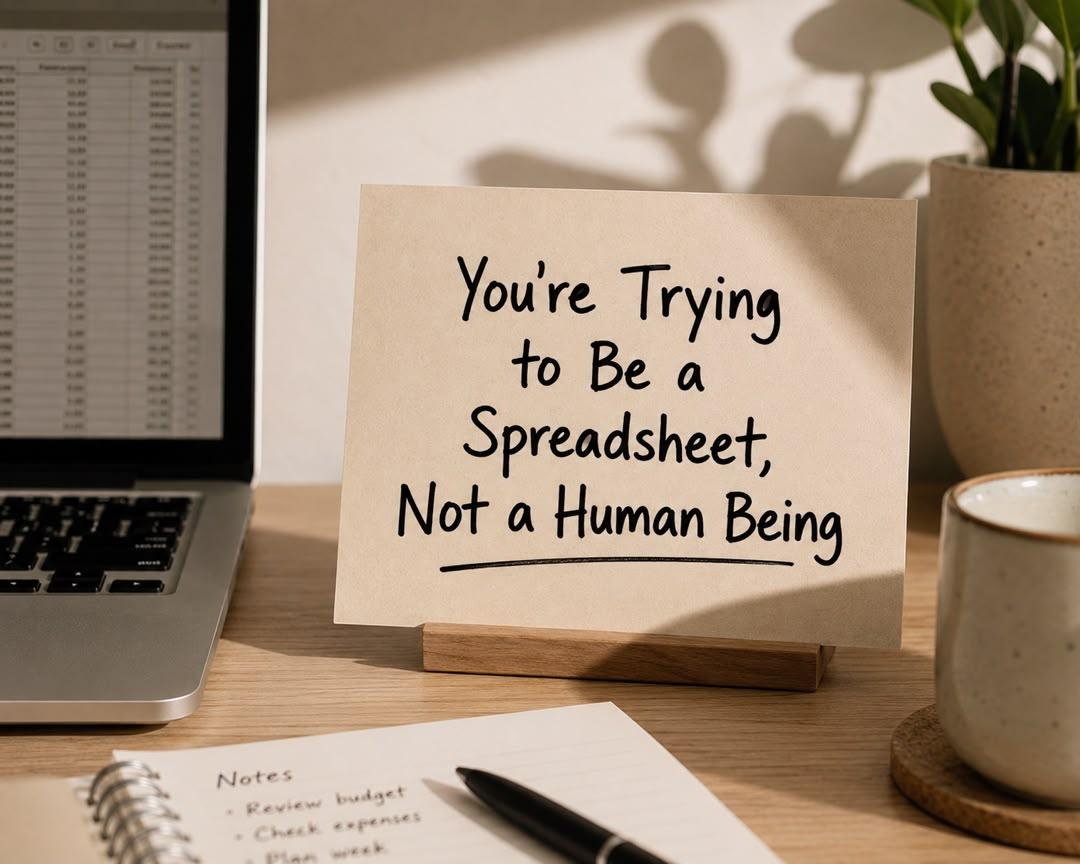
Reason 1: You're Trying to Be a Spreadsheet, Not a Human Being
You know what I’ve noticed?
Most budgets are written for the version of us that has everything together. The version that meal preps every week, never leaves lunch on the kitchen counter, and can say no to fries after work without thinking twice. You also have one of those days where you’re completely drained, so you order takeout because you honestly can’t deal with cooking. I can’t be alone in this for sure.
A budget can look perfect on paper and still be impossible to live with. If every little change feels like you’ve broken the rules, you’ll eventually stop looking at the budget altogether. Sometimes it’s simply exhaustion. You get so tired of carrying it that pretending it isn’t there starts to feel easier than waking up every day feeling like you’re falling behind.
I guess that’s why so many people end up giving up on budgeting. We keep trying to build budgets around perfect months and most of us don’t live those.
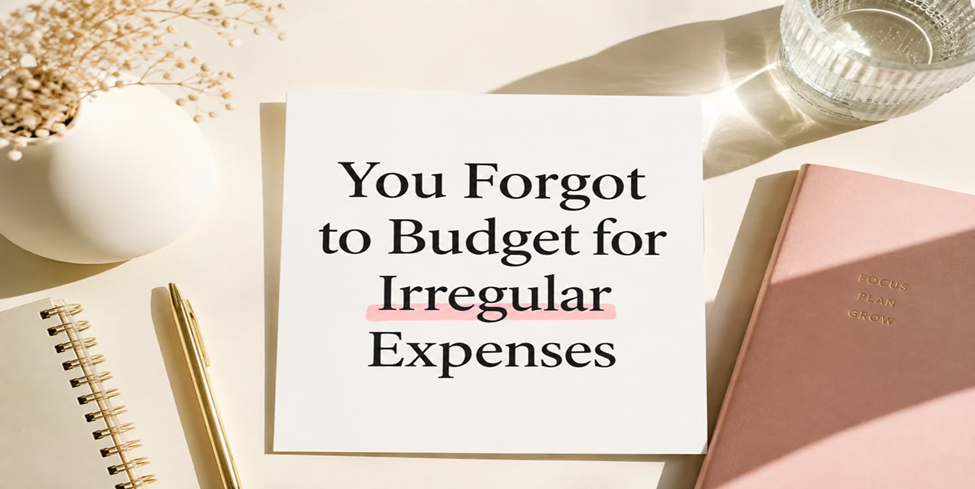
The silent killers of any budget are the irregular, "forgetting to plan for" expenses. These are the costs that don't show up every single month but show up eventually. And when they do, they don’t exactly give you time to prepare.
Think about it. When these expenses really hit, and you haven't allocated money for them in your monthly cash flow, you are forced to either raid your savings, put the expense on a credit card, or watch your carefully crafted budget disintegrate overnight. And once you start using a credit card to cover unexpected expenses that were entirely predictable, you've entered a dangerous cycle that can take years to escape.
The irony here is that most of these expenses aren't unexpected at all. It’s just hard to think about December when you’re trying to make it through July.
Of course, we’re only human. Most of us spend so much time dealing with what’s right in front of us that it’s easy to overlook what’s waiting around the corner. That’s why it helps to leave a little something for the things you know are coming, even if they still feel far away.

Relying on sheer willpower to stick to a budget is a recipe for disaster. I don't say this to be dramatic. I say it because decades of research in behavioral psychology and behavioral finance have proven it. Willpower is a finite resource. It depletes throughout the day as you make decisions about work, relationships, parenting, and what to have for dinner.
Behavioral finance experts have long noted that humans are terrible at resisting temptation when it is right in front of them. Our brains are kind of wired for instant gratification.
This explains why so many people fail at budgeting despite being incredibly disciplined in other areas of their lives. Learn to build a system that works for you over sheer willpower. If possible, direct your willpower towards resisting temptations and making your budget work for you.
A friend of mine used to sign up for the gym almost every year. She’d start full of excitement, buy new workout clothes, promise herself that this time would be different, then disappear after a few weeks. For a long time, she thought she just wasn’t disciplined enough.
One day while we were having a conversation over the phone, when she laughed and said, “I actually hate the gym.”
It turned out she loved cycling, enjoyed long evening walks but she just kept forcing herself into a routine she couldn’t stand because everyone else said it was the best one.
Budgeting reminds me of that.
The longer you force a budgeting method that isn’t suited to you, the more frustrating the whole experience becomes. Assuming the 50/30/20 rule (50% needs, 30% wants, 20% savings) is a great starting point, what if your rent alone takes up 55% of your income? The cash envelope system works beautifully for people who are visual learners and who struggle with overspending online. But it can be a nightmare for people who pay for everything digitally and find the idea of carrying around cash inconvenient or unsafe.
There is no single "right" way to budget. The right way is the way that only works for you.
Reason 5: You're Ignoring Your "Why"

This one cut deep, but it matters more than any of the others. If your only reason for budgeting is "because I should" or "because everyone says you need to," it will never stick. A budget is essentially a document that outlines what you have to give up today for a better tomorrow. If the "tomorrow" isn't compelling, you won't sacrifice the "today." And fun fact, our brains will always choose the immediate pleasure over the vague, distant reward.
Why are you saving? Are you trying to buy a house in the next two years? Are you desperate to get out of suffocating credit card debt that keeps you up at night? Are you saving so your kids can go to college without drowning in loans?
Whatever your reason for saving is, it must mean something to you because that’s the part you’ll come back to on the days when sticking to your budget feels difficult.
When you look at people who seem to manage their money well, it’s easy to assume they’re naturally disciplined or somehow better at saying no. Most of the time, that’s not what you’re seeing. They just have a destination that’s clear enough to make today’s choices feel worthwhile.
A budget on its own is just numbers on a page. It’s the reason behind those numbers that gives them life. When you know why you’re doing it, saying no becomes a little easier. You’re no longer thinking about what you’re missing today because your mind is already on what that decision makes possible tomorrow.

You know those moments when you buy something on impulse, even though it wasn’t on your list and you didn’t really need it? Maybe you did that this week and instead of saying, "Okay, I overspent. I'll adjust for the rest of the month and do better next week," You say "Well, I ruined the budget. It's already broken. I might as well go buy those expensive headphones I wanted. My budget is already a mess, so what does it matter?"
This is known in psychology as the "What the Hell" effect. It's the same mechanism that makes someone on a diet eat a whole pizza because they accidentally had a single cookie. The thinking goes that if the system is already imperfect, why bother trying at all?
A budget is a living, breathing document. It is meant to be tweaked, updated, and corrected on a regular basis.

Why does your salary disappear so quickly? Explore the everyday spending habits, financial pressures, and small expenses that can turn ₦150,000 into a mid-month money crisis.
Why do we spend money trying to look successful? Explore the psychology behind lifestyle spending, social pressure, and the hidden cost of looking financially fine.
Having enough money to buy something doesn’t always mean you can afford it. Learn a smarter way to evaluate purchases, protect your finances, and spend with confidence.