The Money You Spend to Look Like You’re Doing Fine
Why do we spend money trying to look successful? Explore the psychology behind lifestyle spending, social pressure, and the hidden cost of looking financially fine.
Loading...

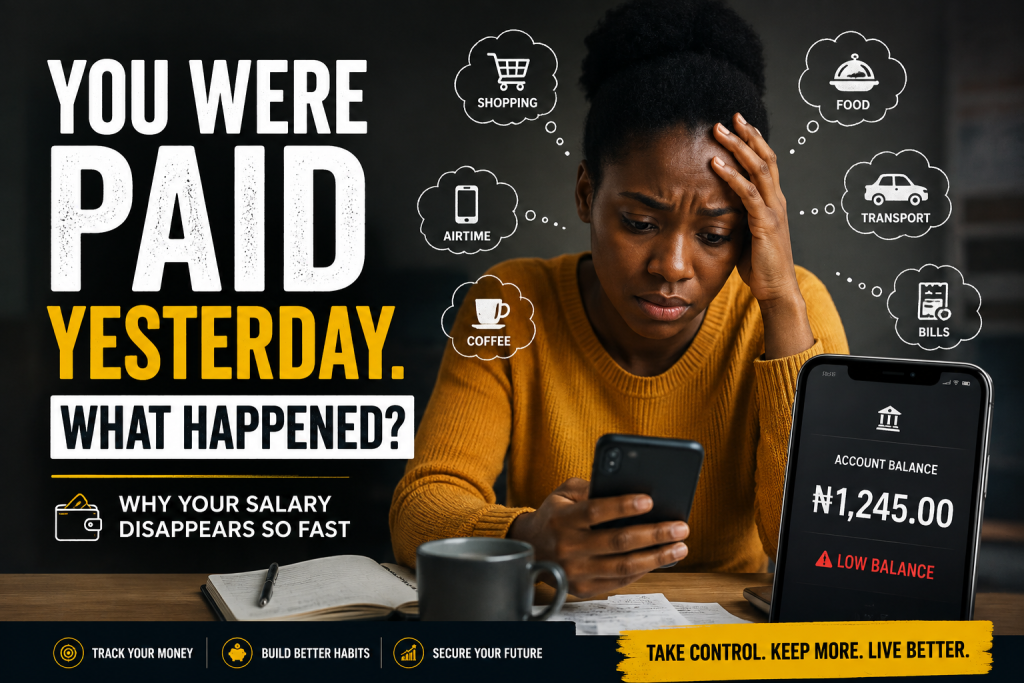
Why does your salary disappear so quickly? Explore the everyday spending habits, financial pressures, and small expenses that can turn ₦150,000 into a mid-month money crisis.
Table of contents [Show]
There was a time I got paid at the beginning of the month and, somehow, by the middle of it, I was standing somewhere doing the kind of financial calculation that makes you question every decision you have made since the day you were given birth, trying to figure out whether I could still afford one egg. I mean one egg. Honestly, I wish I were kidding, but there I was, looking at my account and wondering how ₦150,000 had managed to become a conversation about whether egg was still within my budget.
The funny part was that I had actually been paid, and I remember seeing the alert, checking my balance and feeling that little sense of relief that comes when money finally enters your account after you have been stretching the previous one for longer than you would like to admit.
I had not bought anything outrageous, which was what made it more confusing, because there was no ₦200,000 shopping spree or dramatic purchase I could point at and say, “Ah, so this is where everything went.” It was simply one reasonable decision after another, until I found myself looking at the balance and thinking, “Wait, what happened here?”
So, if you have ever checked your balance a few days after payday and wondered how the money disappeared when you were literally just paid, honestly, you are not alone, and there are a few things worth looking at before you decide that you are simply terrible with money.
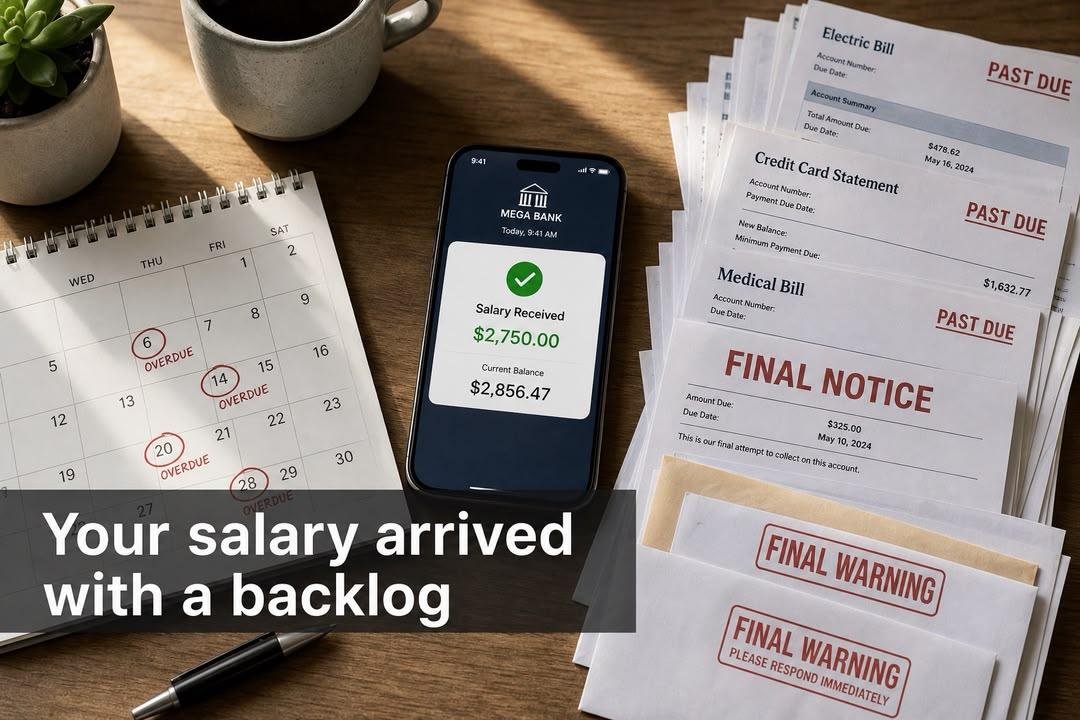
One thing about payday is that your salary rarely arrives alone, because it usually comes with a collection of expenses that have been waiting patiently for the money to show up. There is the bill you postponed when last month was tight, the thing you needed to buy but kept telling yourself you would handle after payday, the money you promised somebody, the food you need to restock, the transport you need to sort out, the subscription that is about to expire and, depending on the kind of month you are having, several other responsibilities that have been sitting quietly in the background waiting for their turn.
So, when your salary enters and you see ₦150,000 sitting in your account, it is very easy to think, “I have ₦150,000,” even though a good portion of that money already has somewhere to go. This is where the difference between income and available money becomes important: income is the money you receive, while available money is what you can genuinely use after considering the expenses and commitments that already need to be handled.
Unfortunately, your banking app is not going to explain this to you. It will simply display ₦150,000 in large, beautiful numbers and allow you to feel financially powerful for a few minutes before reality starts making withdrawals, which is honestly a little rude when you think about it.
This is also why postponing expenses can make payday feel as though it disappears quickly, because when you keep saying, “I will handle it when I get paid,” you have not removed the expense; you have simply moved it forward. If you keep doing that with several expenses, your next salary can arrive carrying responsibilities from the previous month, and before you even have time to enjoy the fact that you have been paid, the money is already being claimed by things you were hoping to deal with later.
So, when your salary seems to disappear almost immediately, it may be worth checking whether some of that money was ever truly available in the first place, because your salary did not necessarily disappear yesterday.
Some of it was already booked.

There is also something that happens when you have been financially restricted for a while, because once money finally enters your account, your confidence can change with impressive speed. Before payday, you can see something that costs ₦5,000 and start asking yourself serious questions about whether you actually need it, whether you can wait until later, whether there is a cheaper option and what else you might need the money for, but once your salary enters, that same ₦5,000 can start looking almost insignificant.
You see something you like and think, “I can afford it,” which sounds harmless until you realize that being able to pay for something today is not necessarily the same thing as being able to afford it within the larger picture of your month. Affordability means being able to pay for something without putting your other important financial needs at risk, so the question should not only be whether the money is sitting in your account; you also need to consider what happens to the rest of your month after the money leaves.
Payday can make that second part very easy to forget.
You have spent the last few days being careful with ₦2,000, and now there is ₦150,000 sitting in the account, so spending ₦7,000 on lunch does not feel particularly serious because your brain is comparing ₦7,000 with ₦250,000 rather than comparing it with everything else that ₦150,000 is supposed to cover.
And once that feeling of financial relief settles in, everything starts looking a little more reasonable than it did before payday.
No, because why do we do this?
This is why it helps to decide what your money is supposed to do before you start deciding what you can afford. If you already know that a particular amount needs to cover food, transport, bills or savings, you naturally become more careful about spending part of that money on something that can wait. Otherwise, almost everything starts looking affordable simply because the full balance is sitting there.
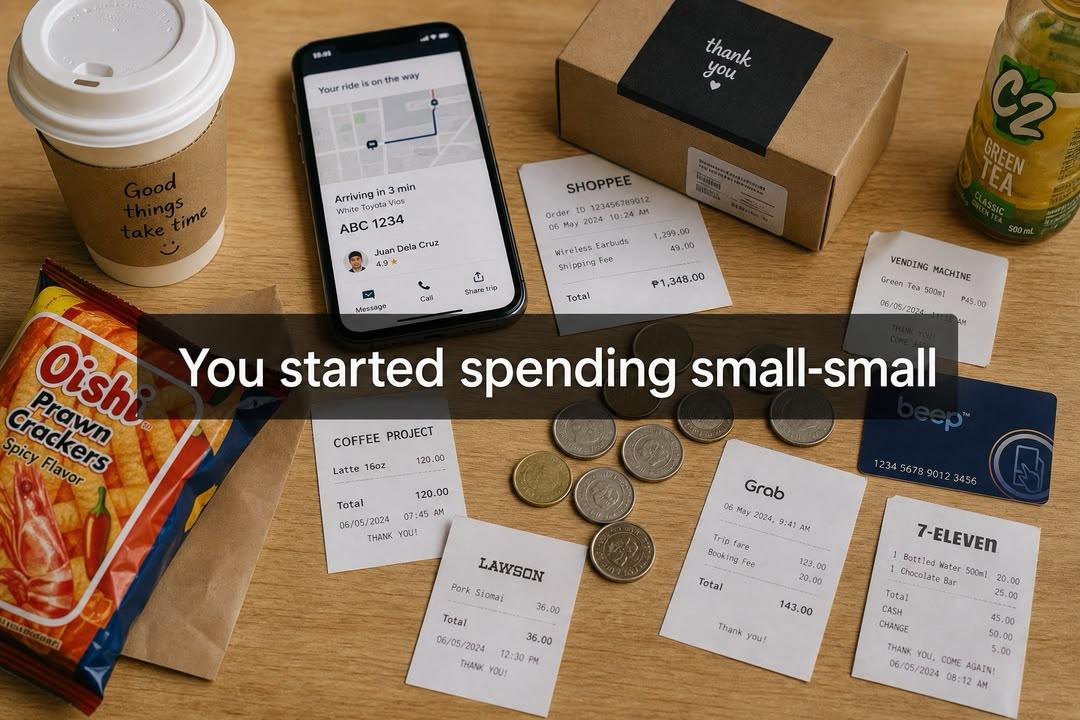
Don’t be surprised but small spending can be surprisingly dangerous because it rarely feels like spending, especially when each individual amount is small enough that you do not feel the need to think about it. It always ends with you checking your account and finding yourself scrolling through your transaction history with the seriousness of someone investigating a crime, except the frustrating part is that every transaction has your name on it.
I’m sorry, but your bank statement is not going to protect you from yourself.
This is where expense tracking becomes useful. Expense tracking simply means keeping a record of what you spend so that you can see your actual spending pattern instead of relying on memory, because memory has a funny way of forgetting the small expenses while remembering the large ones.
You will remember paying a ₦50,000 bill because that amount was significant enough to stay in your head, and you will probably remember buying something expensive because it felt like a major decision, but the ₦2,000 you spent on Monday, the ₦3,500 you spent on Tuesday and the ₦1,500 you spent on Wednesday may completely disappear from your memory even though your account has recorded every single one.
If you spend ₦2,500 ten different times, you have spent ₦25,000, but because you never spent ₦25,000 at once, your brain never had a reason to react as though anything serious had happened.
Your bank account, unfortunately, does not care about the emotional size of the transaction. It simply adds everything together.
I learned this lesson some years back when I was spending money in that same small-small manner, thinking each expense was too insignificant to matter, until I reached that familiar point in the month where I had to look at what was left with considerably more seriousness than I had shown at the beginning.
At one point, hunger made me drink garri three times a day. And if you have ever had garri for breakfast, looked at it again for lunch and then found yourself preparing the same thing for dinner, you know that somewhere along the line, some financial decisions need to be reviewed.
The funny thing is that I had not bought one ridiculously expensive thing that explained the situation. It was the little expenses I kept dismissing because each one felt harmless at the time, and by the time I realized what they had added up to, the money was already gone and garri had somehow become a major part of my meal plan.
This is why looking at your spending as a whole matters, because sometimes your biggest financial problem is not one large purchase at all; it is a collection of ordinary expenses that happen so frequently that you stop noticing them.
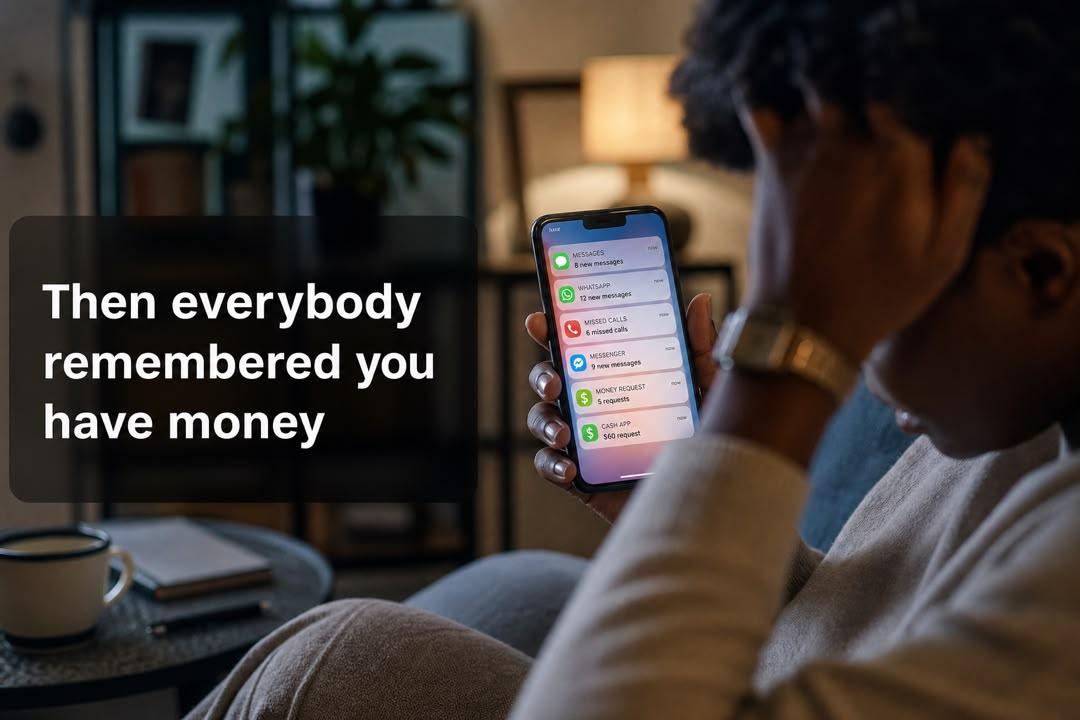
Then there is the part that becomes particularly interesting around payday, because somehow, once your salary enters, people begin to need things. I cannot explain how this works, but the timing can be impressive.
Someone who has not called in two weeks suddenly has an urgent matter, somebody needs to borrow ₦10,000, someone needs transport money, there is a contribution you had forgotten about, a family expense comes up and another person needs help with something, and because you have just been paid, saying yes can feel much easier than it would have felt three days earlier.
Of course, sometimes you genuinely can help, and there is nothing wrong with that because being able to support people is a good thing. The problem begins when every request gets answered from the same salary that is also supposed to pay your bills, cover your daily needs, support your savings goals and keep you financially stable until the next payday.
This is where financial boundaries become important. Financial boundaries simply mean knowing what you can comfortably give, lend or contribute without putting yourself in financial difficulty. Having a boundary does not mean you are selfish, and it certainly does not mean you should ignore someone who genuinely needs help; it means you understand that your financial capacity has a limit, so you cannot keep saying yes to everyone while hoping that your own expenses will somehow cooperate.
Because your rent will still come, your food will still finish, your transport money will still reduce and your savings goal is not going to look at the situation and say, “No problem, we understand that everybody needs ₦5,000 this month.”
Please.
This explains why it is worth deciding beforehand how much you are comfortable giving or lending, because once you have already spent money emotionally, it becomes much harder to make a sensible financial decision. Being generous is good, but being so generous that you create a financial problem for yourself does not make the situation better. Sometimes the responsible thing is to say, “I cannot afford to do that right now,” especially when saying yes would mean struggling with your own basic needs later.
And honestly, that sentence should not require a full courtroom defence.
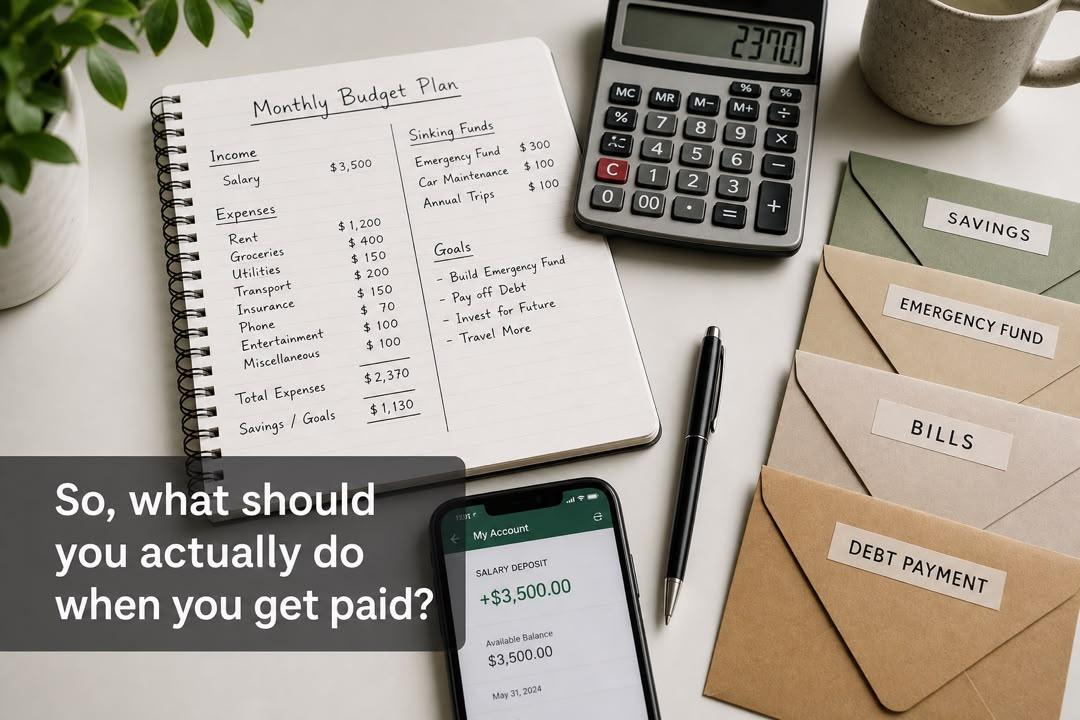
The answer is not to stop enjoying your salary, because you worked for the money and there is nothing wrong with buying something nice, eating good food, going out or spending on things that make life enjoyable. The goal is to know what you can genuinely afford to enjoy before you start spending, because there is a big difference between enjoying your money and discovering three weeks later that your money has been enjoying itself more than you have.
This is where a budget becomes useful.
If you know that ₦80,000 needs to go towards bills, you can mentally remove that money from what is available to you, while ₦30,000 meant for savings is protected and the amount set aside for food, transport and personal spending gives you a clearer idea of what you can actually use without disturbing everything else.
This changes the question from “Can I pay for this?” to “Is this what I want to use this portion of my money for?”
That is a much better question because you are no longer comparing every purchase with your total salary; you are comparing it with the portion of money that is genuinely available for that purpose.
And once you start thinking that way, you may discover that you can enjoy your money more.
The goal is not to become the person who receives a salary and refuses to spend a single naira because they are terrified of running out of money, the goal is to pay your responsibilities, save towards the things that matter to you, help people when you genuinely can, enjoy some of your money and still have enough left to live without spending the final week of the month waiting for another salary alert.
So, the next time you get paid, enjoy the feeling when the alert comes in, because you worked for that money, and you deserve the relief that comes with receiving it. Just remember that the full balance you see is not necessarily the amount you can freely spend, because some of it already belongs to bills, some belongs to your future, some needs to cover your everyday life and some for unforeseen circumstances.
Once you know which is which, payday becomes a lot less confusing.
And if you still find yourself opening your banking app two days later and thinking, “But I was just paid yesterday,” do not worry. Open the transaction history too, because the money may be gone, but at least it left fingerprints.

Why do we spend money trying to look successful? Explore the psychology behind lifestyle spending, social pressure, and the hidden cost of looking financially fine.
Having enough money to buy something doesn’t always mean you can afford it. Learn a smarter way to evaluate purchases, protect your finances, and spend with confidence.
Learn how credit scores work, why they matter, and practical steps you can take to improve your credit score and make borrowing more affordable.